
TikTok ads for small business can turn a modest budget into real sales when you play by the platform's rules: entertain first, sell second, and follow up with everyone who shows interest. These are the seven tactics we use with small brands at Savoir Management, along with the budget, setup and mistakes to watch for.
Why do TikTok ads work for small businesses?
TikTok rewards content over budget. A well-made phone video from a small brand can outperform a polished commercial from a big one, because TikTok's delivery favors videos people watch and engage with.
The audience is large and young. In Pew Research Center's 2025 survey, 63% of U.S. adults ages 18 to 29 and 44% of those 30 to 49 said they use TikTok. If your customers are in those groups, TikTok is often one of the cheapest places to reach them with video.
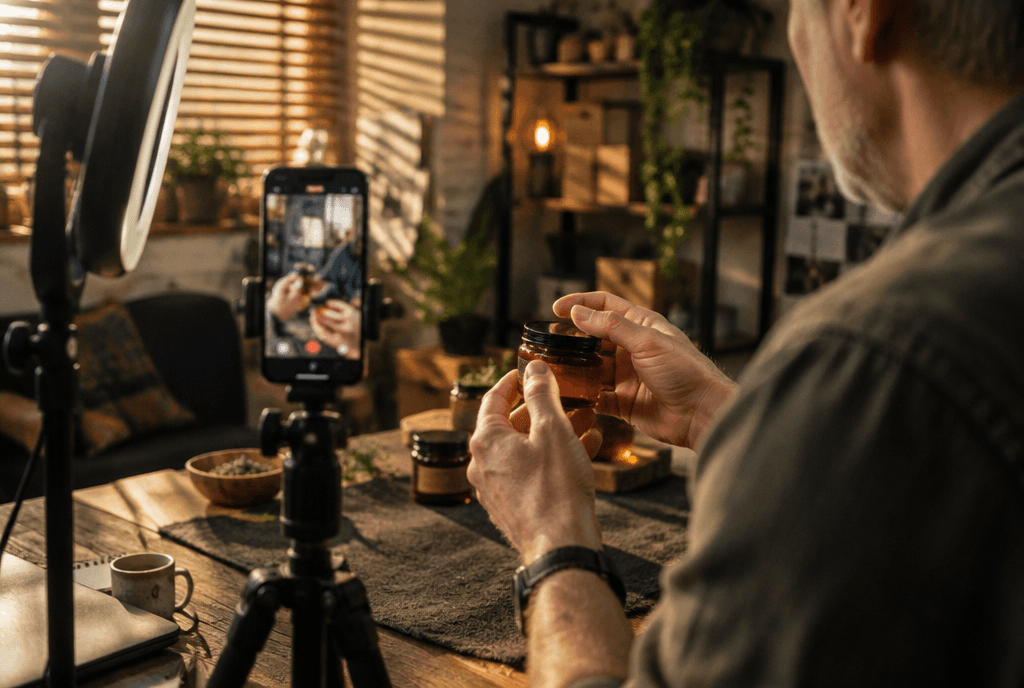
Tactic 1: How do you make TikTok ads that don't feel like ads?
Make videos that look like the organic posts in your niche: vertical, sound on, fast hook, real people and real settings. TikTok's own creative guidance favors native, full-screen video over repurposed commercials.
See TikTok's creative best practices for performance ads. Hooks that work for small brands:
"Three things I wish I knew before buying a ___"
"POV: you finally found a ___ that actually works"
A problem shown on camera, then the product solving it
Tactic 2: Should small businesses use Spark Ads?
Yes. Spark Ads promote existing organic posts from your account or a creator's, keeping their likes, comments and shares. That social proof usually lowers cost per result compared with standard ads.
Post several videos organically, watch which ones get the best view rates, and boost the winners as Spark Ads. You are effectively letting your audience pick your ad creative for free.
Tactic 3: How can small creators help small brands?
Hire micro-creators to make short videos about your product, then run the best ones as ads. Creator content looks native, and small creators often charge far less than traditional video production.
Ask for raw, unpolished videos: unboxing, first impressions and honest use. Get written permission to run them as ads, and follow the FTC's endorsement rules on disclosure.
Tactic 4: How should you retarget on TikTok?
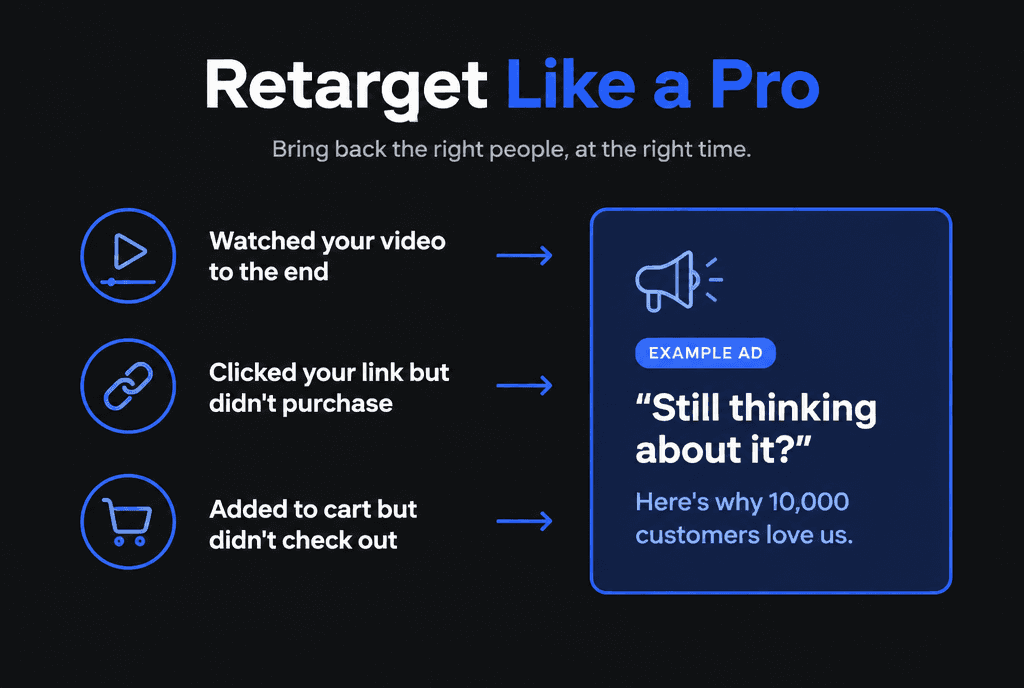
Retarget everyone who showed interest, such as people who watched most of your video, visited your site or added to cart, with a direct offer. Retargeting audiences convert at much lower cost than cold audiences.
Build custom audiences from your pixel and engagement data:
Watched your video to the end
Clicked through but did not buy
Added to cart but did not check out
Then show a short ad with a reason to act now, such as free shipping, a bundle or social proof.
Tactic 5: When should you use look-alike audiences?
Use look-alike audiences once your pixel has a steady stream of purchases or leads. TikTok finds people similar to your buyers, which is often the most efficient way to scale beyond your first audiences.
Create look-alike audiences from purchasers or high-value customers, not from all site visitors. Test narrow and broad look-alike sizes in separate ad groups.
Tactic 6: How do you budget TikTok ads as a small business?
Start with one product, one offer and two or three ad groups at $20 to $50 a day each, run them for two to three weeks, and move budget to the best performer. Spreading a small budget across many products teaches you nothing.
TikTok's budget rules require daily budgets above $20 per ad group and $50 per campaign. A practical first month:
Week 1 to 2: three ad groups, three to five videos each.
Week 3: pause the weakest ad group and add new hooks to the best.
Week 4: launch retargeting and raise the winner's budget by about 20 to 30%.
Tactic 7: Should small businesses use TikTok's automated campaigns?
Automated campaigns can work well once you have conversion data and several proven videos. TikTok's Smart Performance Campaign automates targeting, bidding and creative selection, so test it against your manual setup rather than replacing it outright.
Read TikTok's overview of the Smart Performance Campaign, and give it your best-performing videos and a clear conversion event.
How can a small business create TikTok content on a small budget?
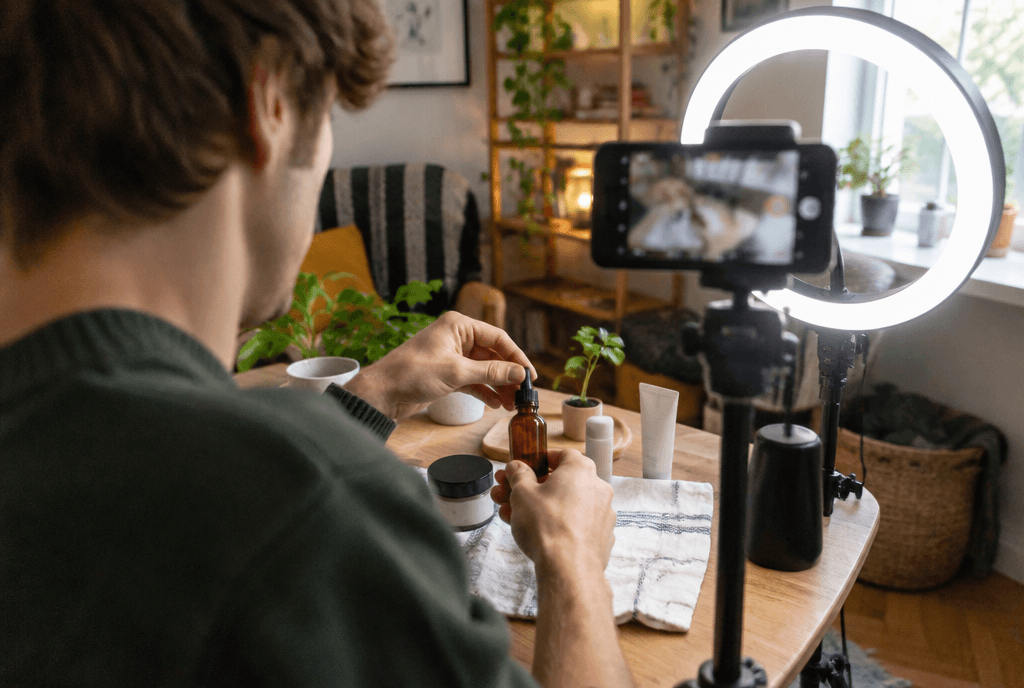
Use a phone, natural light and real people from your business. Film short, vertical videos that show the product, the result or the person behind the business, and batch-record several hooks in one session.
TikTok's creative best practices favor content that feels native to the platform: vertical, sound-on, fast-moving and personal. That works in a small business's favor, because polished studio ads often perform worse than authentic clips. A simple production routine:
Write five to ten opening lines that speak to a customer problem or desire
Film each opening with the same middle and ending, so you can test hooks cheaply
Show the product in use, a before-and-after, or a quick behind-the-scenes moment
Add on-screen text so the message works with sound off
End with one clear call to action, such as "Book online" or "Shop the bundle"
One afternoon of filming can produce enough variations for several weeks of testing.
How do local businesses use TikTok ads?
Local businesses use TikTok ads to reach nearby people with location targeting, showcase the experience of visiting, promote limited-time offers and drive bookings, calls or store visits.
Restaurants, salons, gyms, clinics and home service companies can target ads by location and pair them with content that shows the local experience: the space, the team, the results and real customers. Offers with a clear reason to act now, such as a seasonal menu or an introductory class, give viewers a reason to visit. Make sure the landing page shows your address, hours and booking or ordering options clearly. Our guide on why your website might be losing bookings explains how to make that last step easy.
How do you measure TikTok results as a small business?
Track the actions that make money, such as purchases, bookings, calls or leads, with the TikTok Pixel or Events API, and compare cost per result with what a customer is worth to you.
Install the TikTok Pixel and set up the events that matter for your business. Then work out your break-even numbers: if an average customer is worth a certain amount in profit, you know the maximum you can pay per customer. Also ask new customers how they heard about you; TikTok often influences people who later search for your business or visit in person, which platform reports do not always capture.
How does TikTok fit with the rest of your marketing?
TikTok is strongest at creating demand and awareness. It works best alongside channels that capture demand, such as Google search, your website, email and reviews.
Someone who sees your TikTok ad may later search for your business on Google, check your reviews and then book. If your website, Google Business Profile and reviews are weak, some of the interest TikTok created is lost. Keep your website fast and clear, collect reviews consistently and use email or SMS to stay in touch with people who engage. For businesses that rely on local search, our guide to Google Ads for local businesses shows how to capture the searches TikTok helps create.
How quickly should a small business expect results?
Most small businesses need a few weeks of testing to find a hook, audience and offer that work. Expect the first campaign to teach more than it earns, and judge it on whether costs are trending toward profitability.
The first two weeks usually reveal which openings hold attention and which offers get clicks. The following weeks show whether those clicks turn into purchases, bookings or leads at an acceptable cost. Keep budgets steady during that time rather than starting and stopping campaigns, because each restart resets what TikTok's system has learned. If after several rounds of new creative the cost per result is still far above what a customer is worth, revisit the offer and landing page before spending more.
What mistakes kill TikTok ad performance?
The biggest mistakes are treating TikTok like a billboard, pushing too many products at once, not installing the pixel, judging ads after a day or two and running the same video until it burns out.
Recycled TV or Facebook ads with no sound or hook
No pixel, so TikTok optimizes for clicks instead of sales
Changing ad groups daily, which keeps them in the learning phase
No retargeting of engaged viewers
No new creative for weeks
What does a small business TikTok ads plan look like?
A simple plan runs cold-audience ad groups to find winning videos, a retargeting ad group to convert engaged viewers, and a weekly routine for adding new creative. Once that works, scale with look-alikes and gradual budget increases.
For setup details, follow our TikTok Ads Manager tutorial, then organize targeting with our content cluster strategy. If you sell online, make sure your store converts the traffic: our guide to e-commerce websites that increase sales covers the checkout side. Our paid social team can run the whole program for you.


